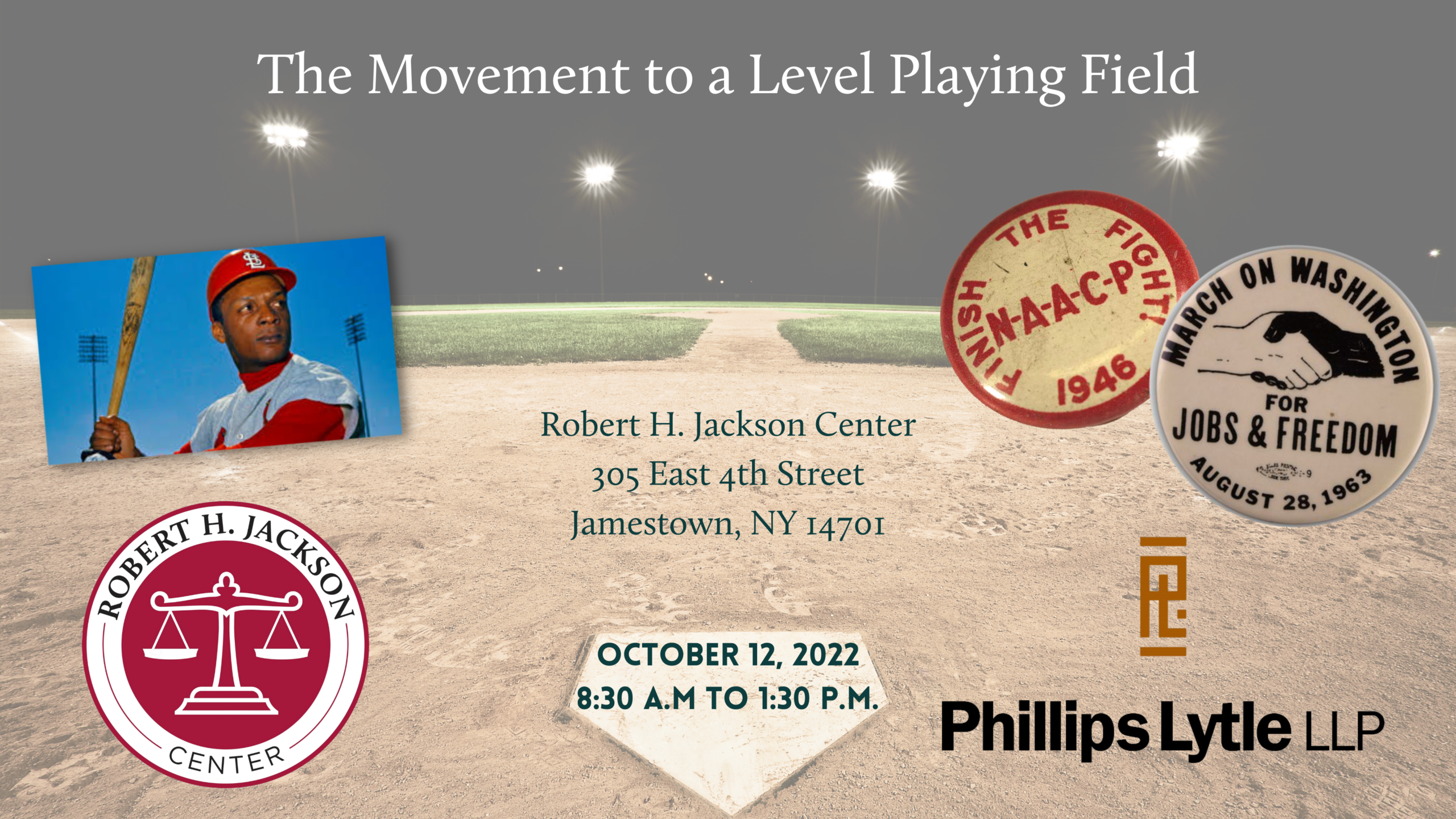
Join us on Wednesday, October 12, when Professor Brad Snyder will present, "50 Years after Flood v. Kuhn." After the 1969 season, the St. Louis Cardinals traded Curt Flood, their star center fielder, to the Philadelphia Phillies. When a player was traded, he had two options - to report to his new team or retire. (At the time there were no free agents and no no-trade clauses.) Unwilling to leave St. Louis and influenced by the civil rights movement, Flood instead sued Major League Baseball for his freedom. His case reached the Supreme Court, where Flood ultimately lost. By challenging the system, he created an atmosphere in which, just three years later, free agency became a reality. Flood’s decision cost him his career, but dramatically changed baseball.
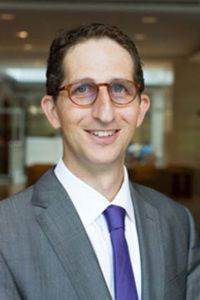
Professor Snyder published A Well-Paid Slave: Curt Flood’s Fight for Free Agency in Professional Sports in 2007. He teaches constitutional law, constitutional history, and sports law at Georgetown University Law School. He is the author of the recently published book, Democratic Justice: Felix Frankfurter, the Supreme Court, and the Making of the Liberal Establishment.
Professor Snyder is part of a half-day seminar. The day begins with David L. Crane, the founder and curator of Making the Movement: Civil Rights Museum. Making the Movement is an exhibit that explores the use of non-violent weapons to combat Jim Crow. He is a history instructor at Alamance Community College in North Carolina and is the author of Making the Movement: How Activists Fought for Civil Rights with Buttons, Flyers, Pins, and Posters.
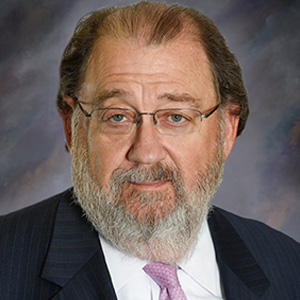
The final presentation of the day will feature Jonathan Dandes speaking on antitrust issues in baseball. Mr. Dandes currently serves as Corporate Vice-President of Rich Products Corporation, having joined Rich Products in 1986. He has served in several roles within Rich’s, most recently as President of Rich Baseball Operations.
This program is free and open to the public, but registration is encouraged through the form below. If you plan to attend virtually, please put that in the comment section below and we will share the link with you. If you are an attorney seeking CLE credits, in-person attendance is required. CLE credits are not available for virtual attendance.
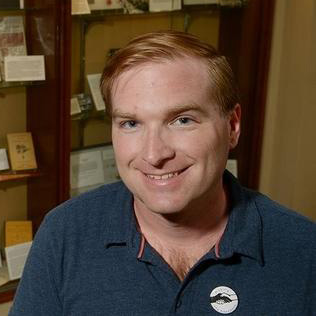
David L. Crane
Jonathan Dandes
NYS CLE Accreditation: Phillips Lytle LLP has been certified by the New York State Continuing Legal Education Board as an Accredited Provider of continuing legal education in the State of New York. These programs (traditional classroom format) are approved for CLE credit for both newly admitted and experienced attorneys (see above for credit categories).
PA CLE Accreditation: Approval by The Supreme Court of Pennsylvania CLE Board is pending.
The Robert H. Jackson Center is a non-profit, non-partisan educational organization that is dedicated to presenting accurate and balanced information about complex issues. The opinions expressed by various guest speakers, panelists, and authors do not necessarily reflect the views of the Center, its Board, and supporters.
The Center fulfills its educational mission by welcoming diverse views and by providing a forum to explore a wide range of perspectives on often controversial legal and public policy issues. While we make an effort to ensure the information we provide is accurate and balanced, we welcome your comments, suggestions, or correction of any factual errors.
Since 2001, the Robert H. Jackson Center has preserved the values embodied in the life and works of Robert H. Jackson, who served as U.S. Solicitor General, U.S. Attorney General, U.S. Supreme Court Justice, and Chief U.S. Prosecutor of the International Military Tribunal at Nuremberg. Through programs, presentations, exhibits, media, internships, and scholarship, the Center seeks to demonstrate to current and future generations the relevance and applicability of Justice Jackson’s ideas and writings. The Center provides educational content on the United States Constitution and Supreme Court, civil rights, the legacy of the International Military Tribunal at Nuremberg and international human rights, and the rule of law. During his illustrious career, Justice Jackson addressed these subjects, and the Center recognizes his thinking remains relevant today.