The International Military Tribunal (IMT) at Nuremberg was established to create a justice mechanism to address the Nazi atrocities during World War II. On May 2, 1945, President Truman appointed Justice Robert H. Jackson as Chief of Counsel for the United States to represent the United States in negotiating, preparing, and prosecuting the Nazi war criminals. After weeks of negotiations, the four Allied Powers - United States, Great Britain, France and the Soviet Union - signed the London Agreement on August 8, 1945 to establish the International Military Tribunal. The Charter annexed to that Agreement established the jurisdiction, processes, and procedures of the tribunal, as well as defined the crimes:
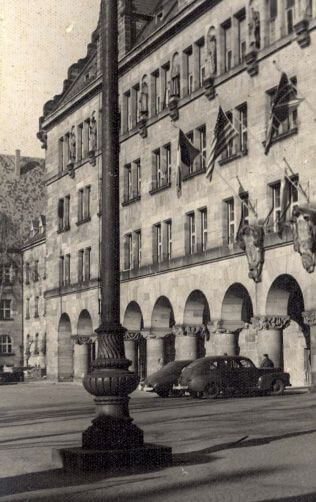
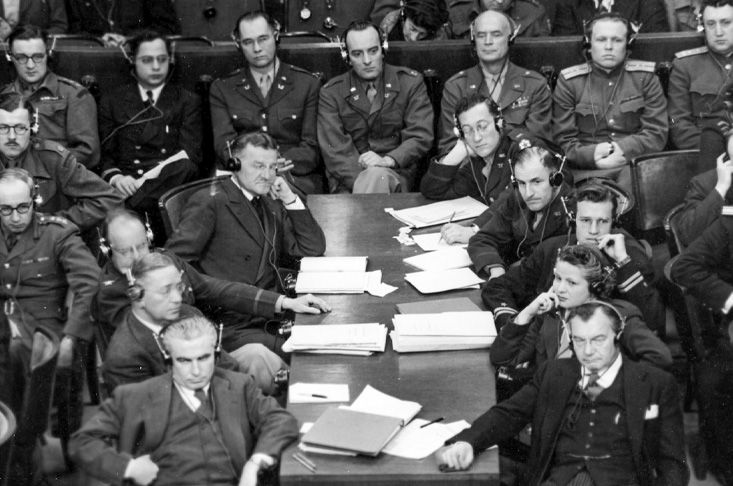
The IMT was held in Courtroom 600 in the Palace of Justice in Nuremberg, Germany - 22 defendants and seven organizations were put on trial. The IMT at Nuremberg became the foundation for holding world leaders accountable, and its legacy can be seen in the International Criminal Tribunals for the former Yugoslavia and Rwanda, the Special Court for Sierra Leone, as well as in the the Rome Statute, which established the International Criminal Court and its current work.
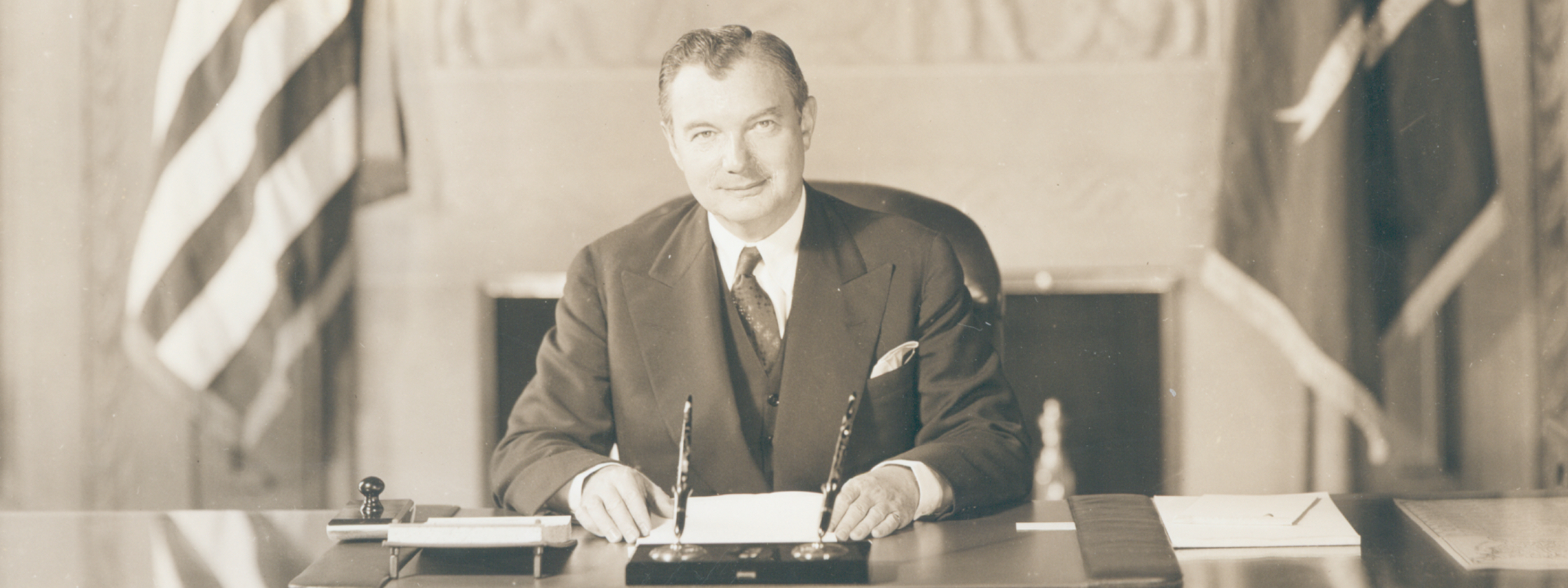
On May 2, 1945, President Harry S. Truman appointed Associate Supreme Court Justice Robert H. Jackson as chief prosecutor for the United States in the proposed trials of Nazi war criminals. President Truman gave Justice Jackson free rein to choose his own staff and to design and implement the trials.
We are pleased to offer a full timeline of the Nuremberg Trials
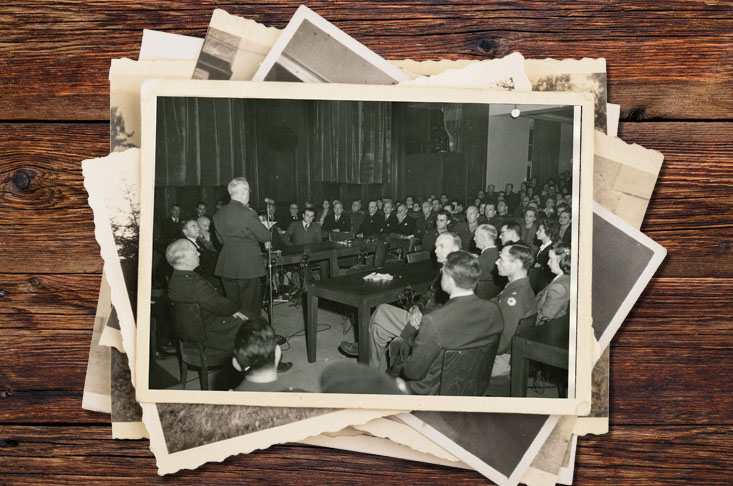
The Robert H. Jackson Center is making available and organizing as resources both audio and video recordings of the Nuremberg trial proceedings. This guide, featuring links to those recordings, is organized in chronological order.
Last updated: August 2, 2021 Collection is complete.
Gain a deeper understanding of Robert H. Jackson's legacy through rich historical collections, historical resources, and interactive experiences.