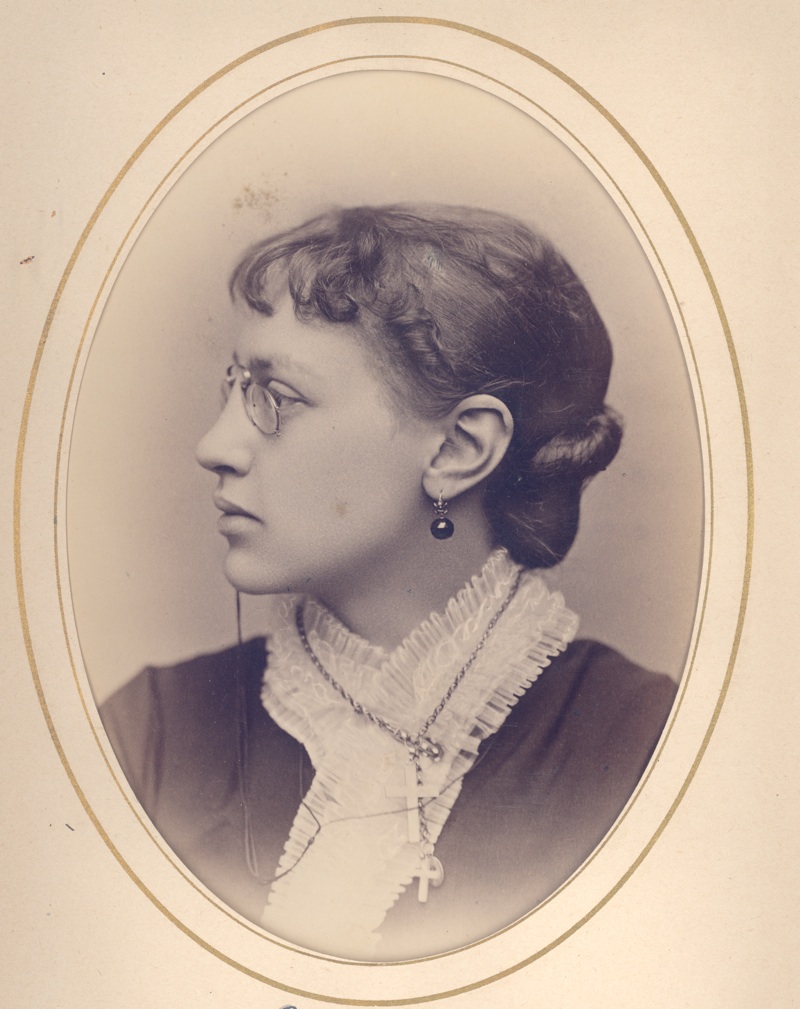
The transformative power of an effective teacher is something almost all of us have experienced and understand on a personal level. A great teacher can create great value in our world. Robert Jackson understood this. It was in large part due to the guidance of Mary Willard that Jackson honed a love of literature and writing. He met Mary Willard during his post-graduate year at Jamestown High School (from current Who is your Mary Willard? website). Mary Willard was an educator at Jamestown High School and was passionate about bolstering those students who exhibited high potential. Jackson was one of these students. Willard organized a list of titles including classics, poems, and short stories that she felt every student should read in order to have a well-rounded understanding of the importance and impact that literature can have on an individual. Jackson reportedly read every title.
In the early 20th century, public education in rural New York was both modest and vital. Most children attended one-room schoolhouses, where a teacher - often a young woman- was responsible for educating students of all ages and potential. These schools are typically isolated, underfunded and heated by a single stove (Fidler, 2018). Despite all their issues, students received more than just reading, writing and arithmetic - they were introduced to the ideals of responsibility, fairness and civic duty.
Mary Willard was one of thousands of women who stepped into these classrooms not simply as instructors, but as community leaders. This era was one in which women had limited rights and opportunities, but teaching offered one of the few respectable paths to life in the professional world. Teachers like Mary Willard served as role models, moral guides and early examples of female leadership.
At this point in history, there was no standardized testing or national curriculum. Instead, teachers would craft lessons that met the moral and intellectual needs of their students. Civic education was not just a class taught through textbooks, it was embedded in the way students learned to speak respectfully, debate ideas and take responsibility for their work. These values helped shape generations of young Americans - including Robert H. Jackson.
Mary Willard not only had a lasting impact on the students at Jamestown High School, but the community as a whole as well. Willard was a “driving force” behind raising the funds to purchase the property now known as the 100-acre lot. By reaching out to her former students, she was able to collect $4,250 of the $8,250 needed. She also participated in a festival held by JPS by organizing a large Shakespearean pageant, in celebration of the 350th anniversary of Shakespeare’s birth. Willard understood the importance in maintaining native biodiversity and worked tirelessly to ensure that her community could preserve this property, and the flora and fauna within it.