The Three-Part Framework, Jackson's Youngstown Opinion

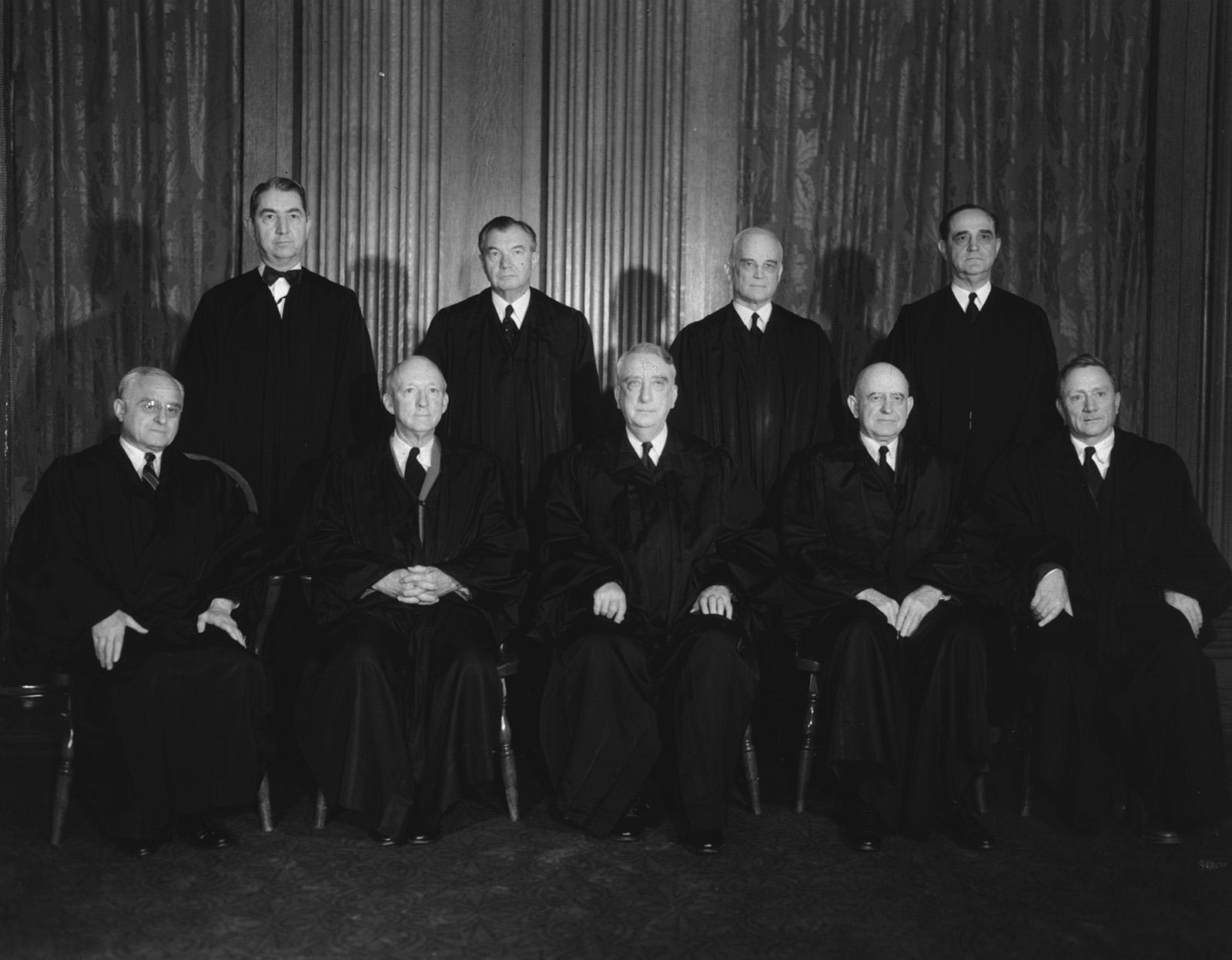
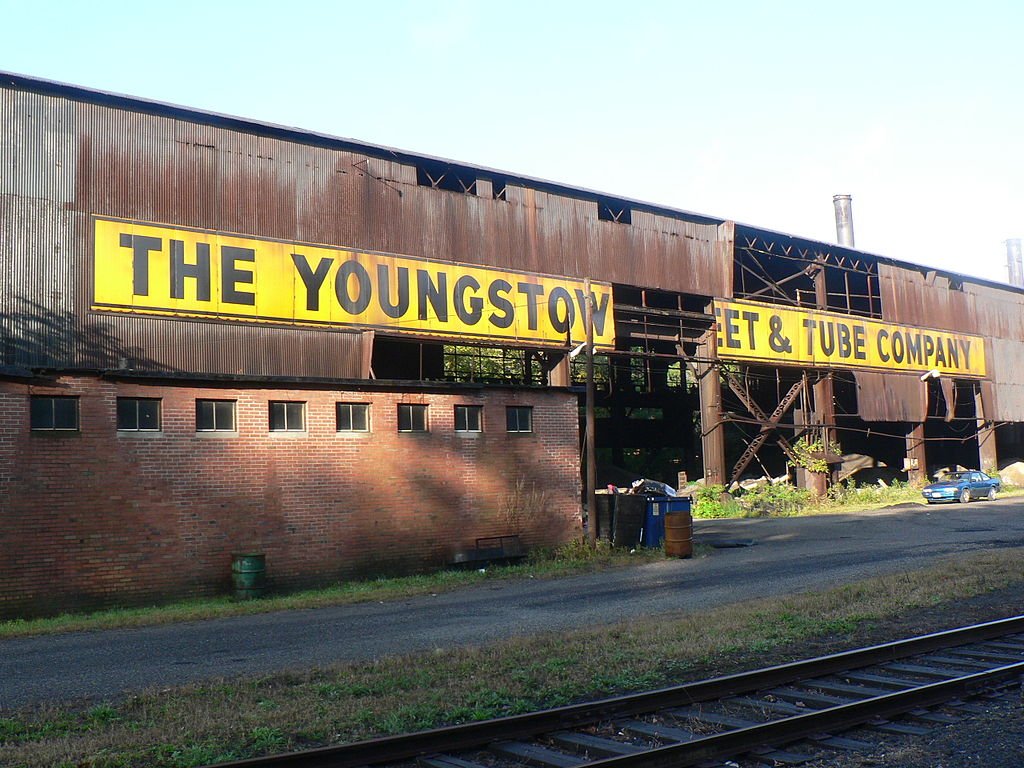
On June 2, 1952, the U.S. Supreme Court issued one of its most important decisions on the limits of presidential power. In Youngstown Sheet & Tube Co. v. Sawyer, often called the “Steel Seizure Case", the Court rejected President Harry Truman’s attempt to seize the nation’s steel mills during the Korean War.

Justice Robert H. Jackson’s concurring opinion has become the Court’s most enduring framework for evaluating executive authority, shaping constitutional law for more than 70 years.
Background

  • During the Korean War, a labor strike threatened to shut down U.S. steel production.
  • President Harry S. Truman, fearing the strike would jeopardize national defense, issued an executive order directing the Secretary of Commerce, Charles Sawyer, to seize and operate the steel mills.
  • The steel companies challenged the seizure, arguing that the President had acted without legal authority.

The Supreme Court’s Decision

  • In a 6–3 ruling, the Court struck down Truman’s seizure of the steel mills.
  • The majority held that the President could not seize private property without explicit authorization from Congress or the Constitution.

Jackson’s Concurring Opinion

Justice Jackson’s concurrence has become the most influential part of the case. He laid out a three-part framework for analyzing presidential power:

  1. When the President acts with express or implied authorization from Congress, his authority is at its maximum.
  2. When the President acts without either a congressional grant or denial of authority, he acts in a zone of twilight where both branches may have concurrent authority.
  3. When the President acts against the expressed or implied will of Congress, his power is at its lowest ebb.

This framework has guided courts, scholars, and policymakers ever since, cited in dozens of cases on executive authority.

Why It Matters

Youngstown v. Sawyer continues to shape debates on:

  • Emergency powers and national security.
  • Presidential authority during wartime.
  • The proper role of Congress in checking executive action.

Checks and Balances: Reinforced that even in times of crisis, the President is not above the Constitution.

Enduring Framework: Jackson’s concurrence remains the gold standard for analyzing executive power, influencing decisions from the Nixon era to the War on Terror.

Jackson’s Legacy: Alongside West Virginia v. Barnette, the Youngstown opinion stands as Jackson’s most influential contribution to constitutional law.

"Presidential claim to a power at once so conclusive and preclusive must be scrutinized with caution for what is at stake is the equilibrium established by our constitutional system."

– Robert H. Jackson, Youngstown Sheet & Tube Co. v. Sawyer, 343 U.S. 579 (1952)

Subscribe to our Newsletter

Copyright Robert H. Jackson Center 2026 | All rights reserved. Site by Cardwell Beach
heart linkedin facebook pinterest youtube rss twitter instagram facebook-blank rss-blank linkedin-blank pinterest youtube twitter instagram